Novilune — solar eclipses: history, astronomy, observing
Eclipses

A century of shadows

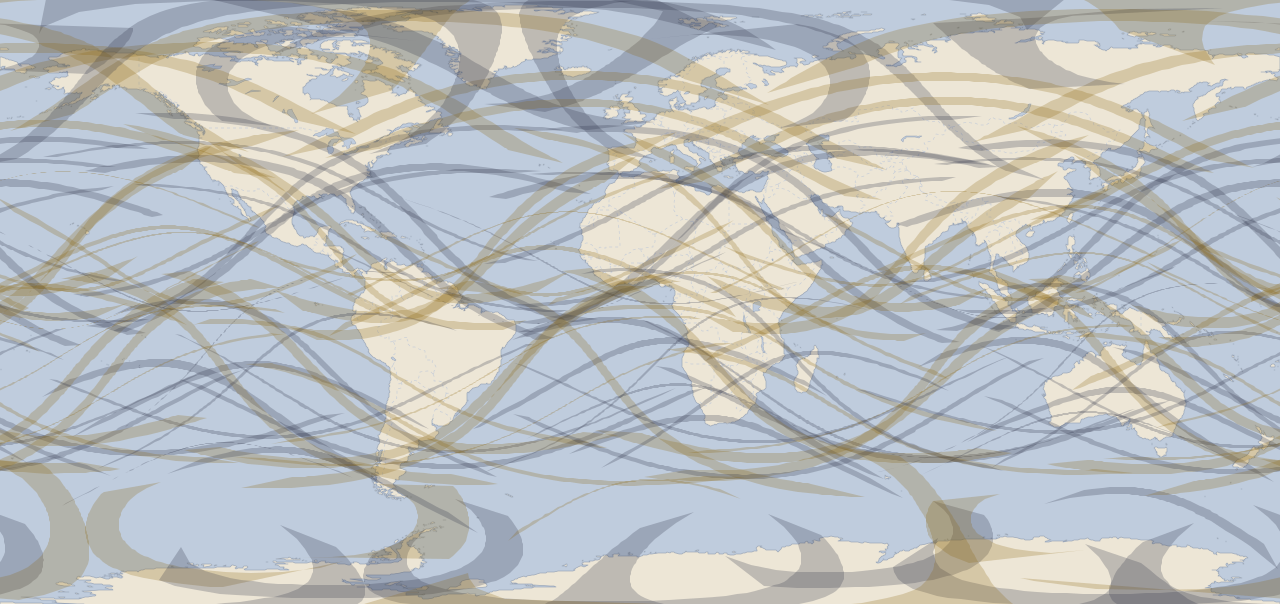
The 147 central eclipses of the 21st century, all drawn together: 75 total and 72 annular, each with the path where the central phase is visible.

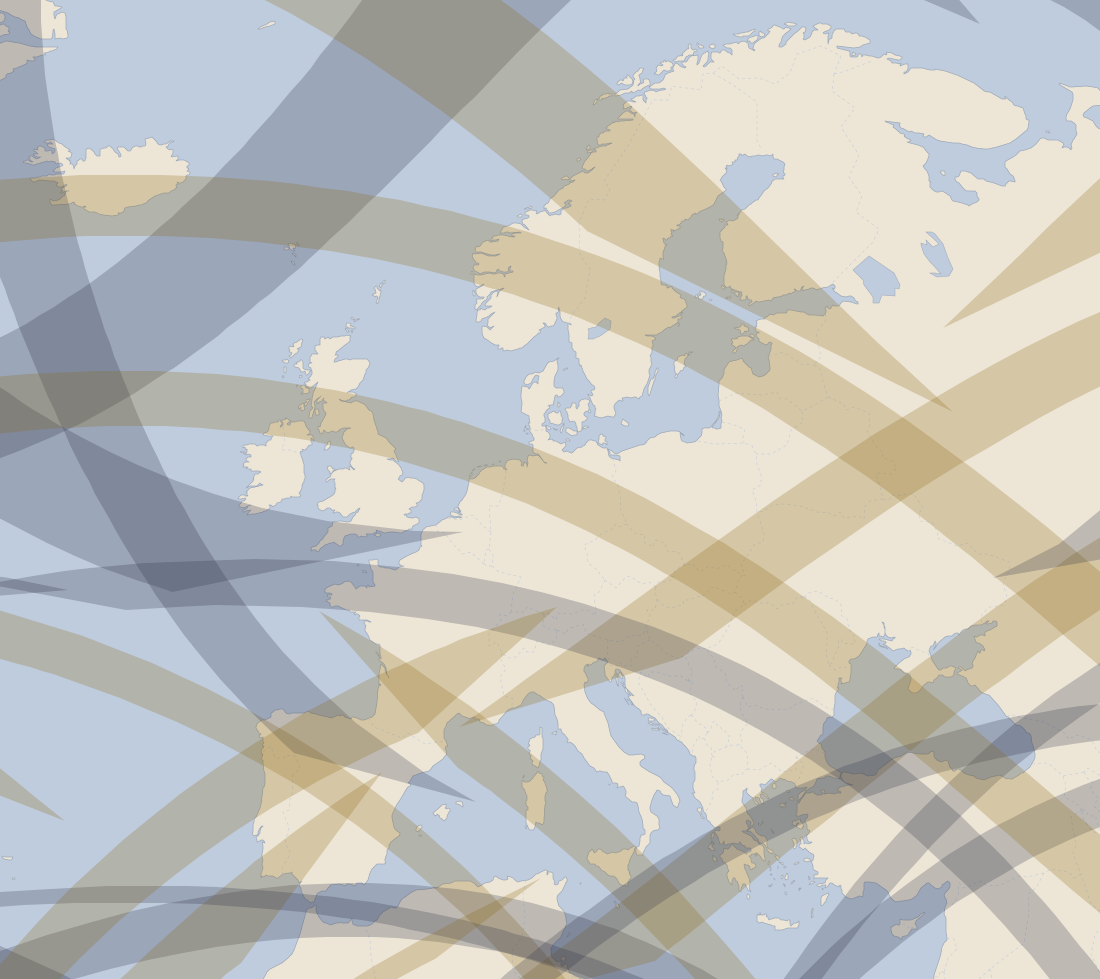
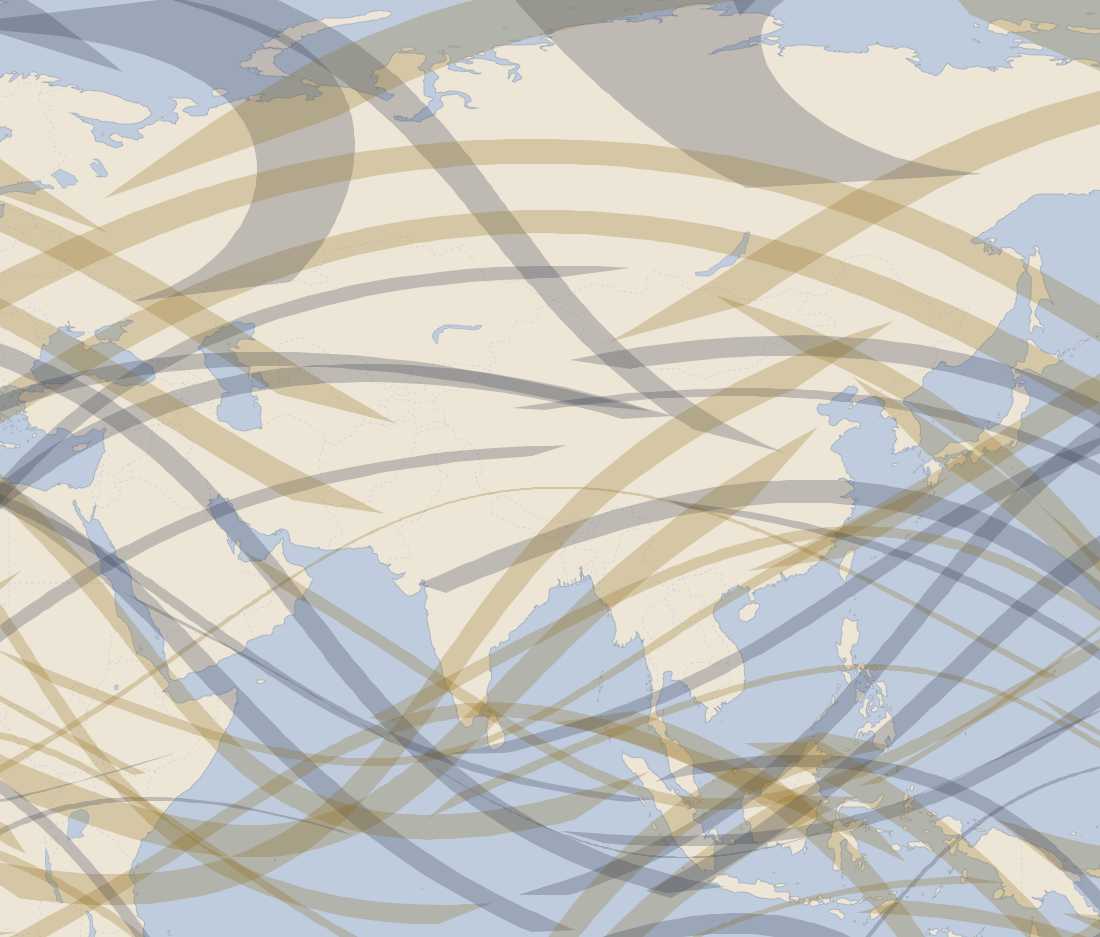
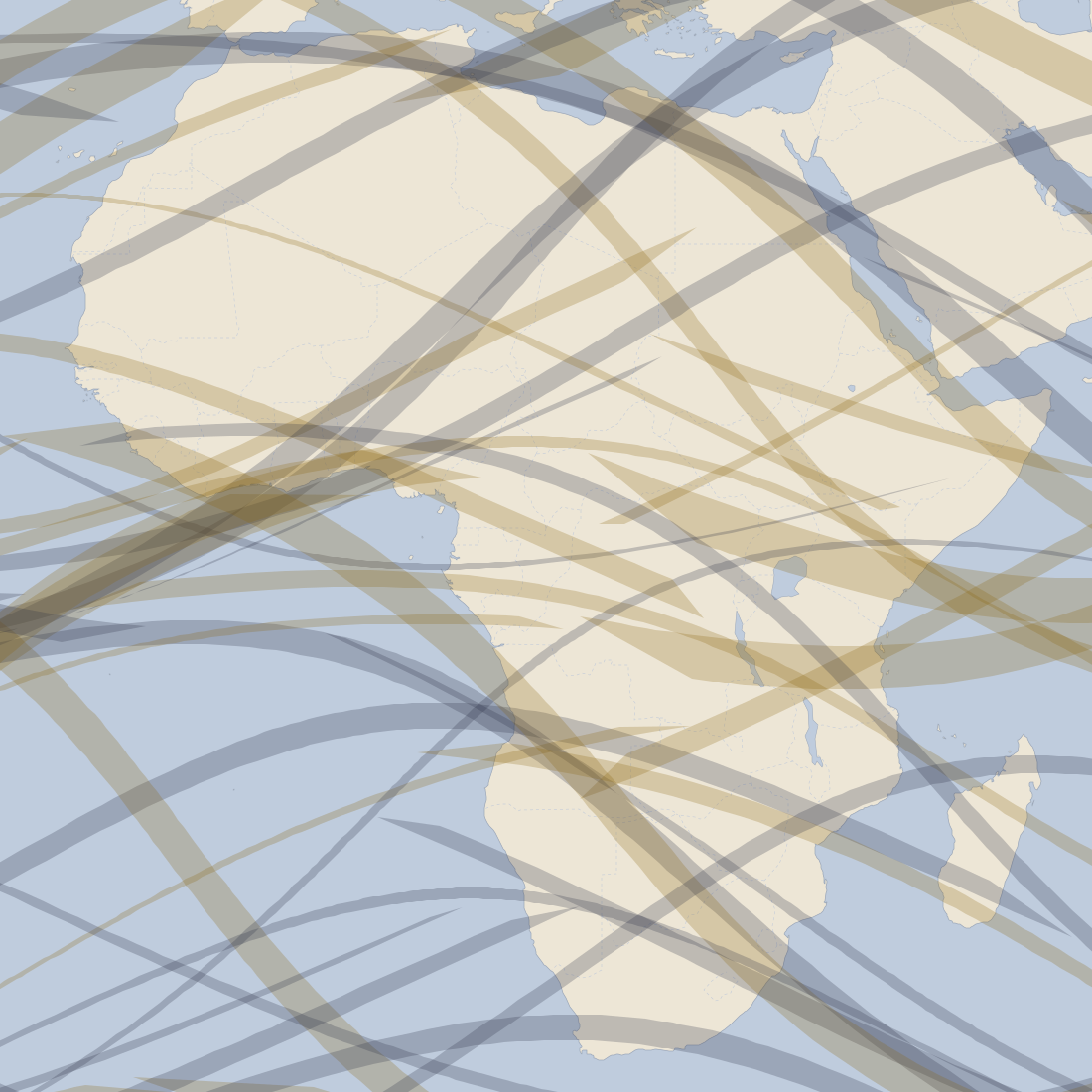
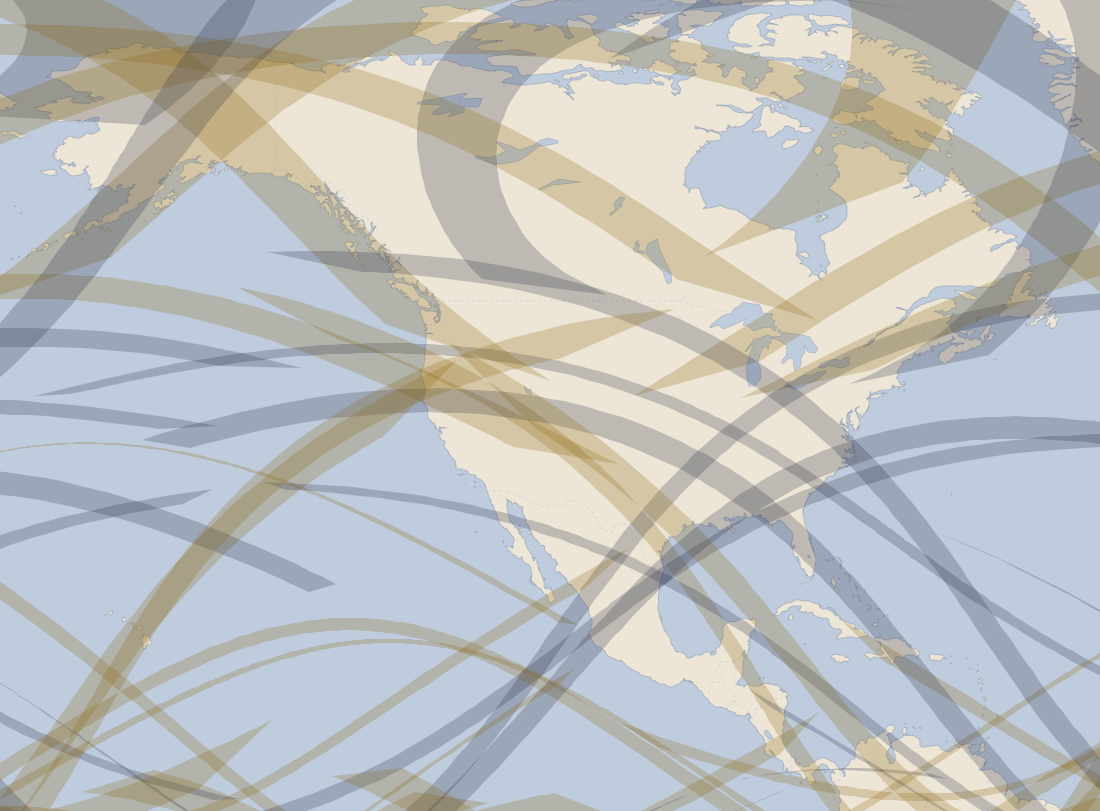
Each path belongs to a single eclipse, and each is nearly transparent: where they overlap, the colour darkens by itself. The darkest regions are therefore those the shadow visits most often, and the pale background shows what no central eclipse will touch in the whole century.

The paths flare out enormously at both ends. This is not a drawing error: that is the moment when the shadow reaches the Earth at sunrise, or leaves it at sunset. It then grazes the globe, and its track spreads over thousands of kilometres for a few seconds of central phase.

TotalAnnularEach path at 24 % opacity: the overlaps do the rest.
The world
The world — The 147 central eclipses of the 21st century, all drawn together: 75 total and 72 annular, each with the path where the central phase is visible.
A central eclipse every eight months on average, and never twice the same track. Two thirds fall on the sea or on empty land, which is why any given place waits three or four centuries for its turn.
Europe
Europe — The 147 central eclipses of the 21st century, all drawn together: 75 total and 72 annular, each with the path where the central phase is visible.
The north of the continent is served more often than the south: paths reach it at the end of their course, wide and grazing, at sunrise or sunset.
Asia
Asia — The 147 central eclipses of the 21st century, all drawn together: 75 total and 72 annular, each with the path where the central phase is visible.
The most crossed continent, because it is the largest and spans every temperate latitude. China and India will share the same totality on 20 March 2034, Japan gets its own on 2 September 2035, and Russia on 30 March 2033.
Africa
Africa — The 147 central eclipses of the 21st century, all drawn together: 75 total and 72 annular, each with the path where the central phase is visible.
The Sahara and southern Africa are the most visited, and the paths often arrive in broad daylight, Sun high — the best conditions there are. Egypt gets the totality of 2 August 2027, the longest observable from land before 2114, and South Africa that of 25 November 2030.
North America
North America — The 147 central eclipses of the 21st century, all drawn together: 75 total and 72 annular, each with the path where the central phase is visible.
The United States is coming out of two close totalities, in 2017 and 2024 — the two paths still cross on the map, over Illinois. The next comes on 23 August 2044 over Montana and Canada, then on 12 August 2045 from ocean to ocean: six minutes of totality, the finest of the century for this continent.
South America
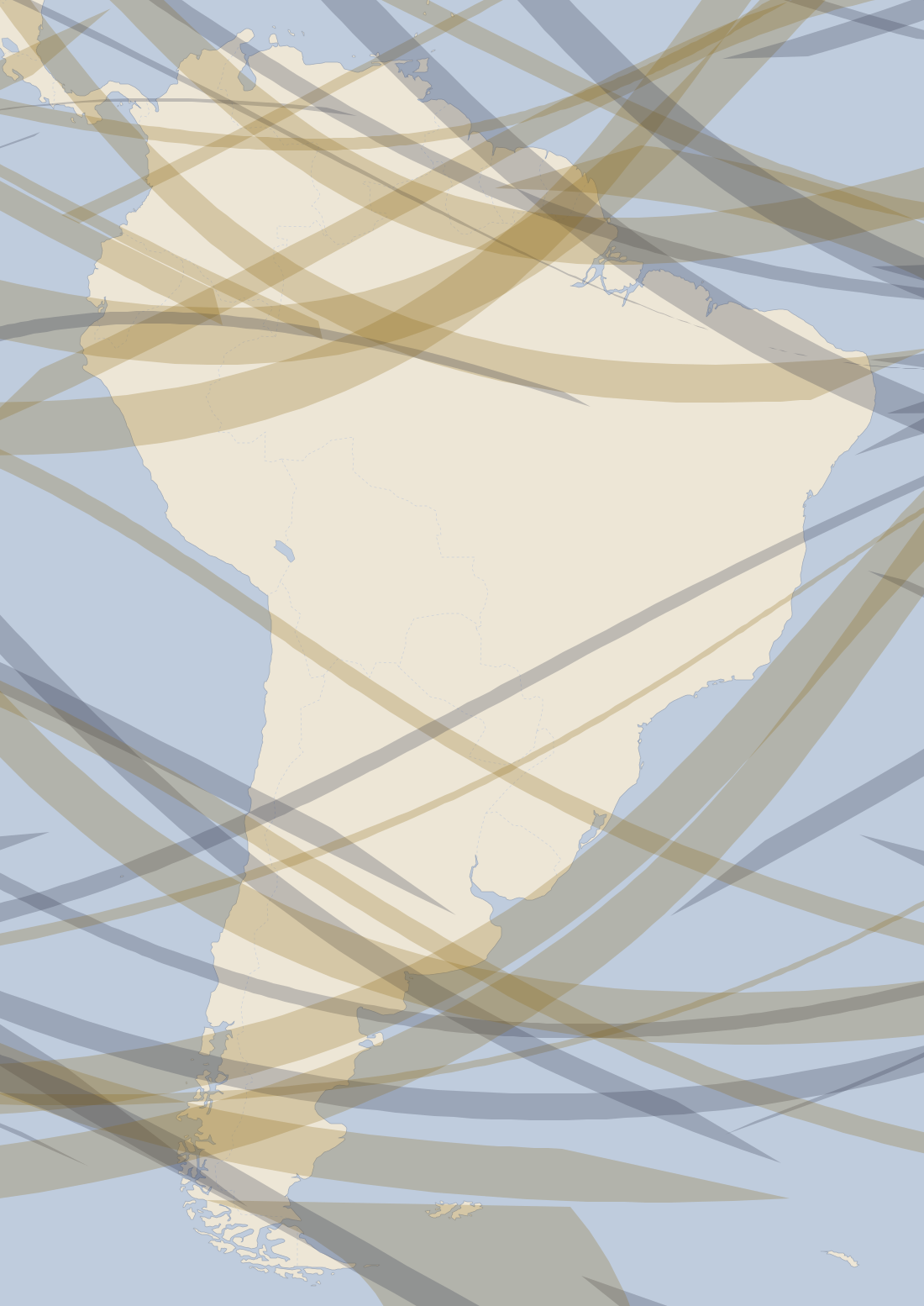
South America — The 147 central eclipses of the 21st century, all drawn together: 75 total and 72 annular, each with the path where the central phase is visible.
The southern cone is the best served: Chile and Argentina had 2019 and 2020, and will have the annular of 6 February 2027 and the total of 5 December 2048. Brazil waits for 12 August 2045, when the path from the United States crosses Amazonia and the Nordeste.
Oceania
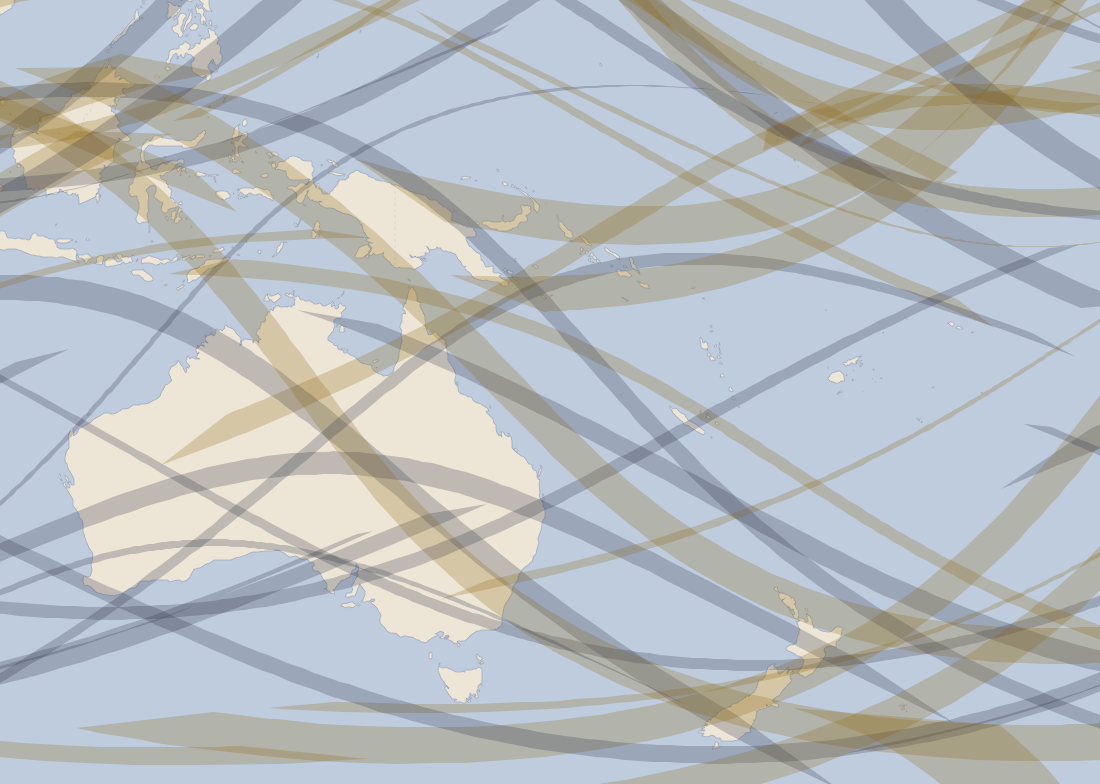
Oceania — The 147 central eclipses of the 21st century, all drawn together: 75 total and 72 annular, each with the path where the central phase is visible.
Australia is the most crossed inhabited continent of the first half of the century: five totalities between 2028 and 2038, including 22 July 2028, which passes over Sydney.
How these maps are made

Every path comes from the computation chain of the Novilune app, on the DE441 ephemeris of the Jet Propulsion Laboratory: the same geometry as the maps on the eclipse pages, and as the app itself. The path is drawn step by step, one quadrilateral per instant of the course, between its two limits. The base map comes from Natural Earth.